

Why Is My Air Conditioner Freezing Up?
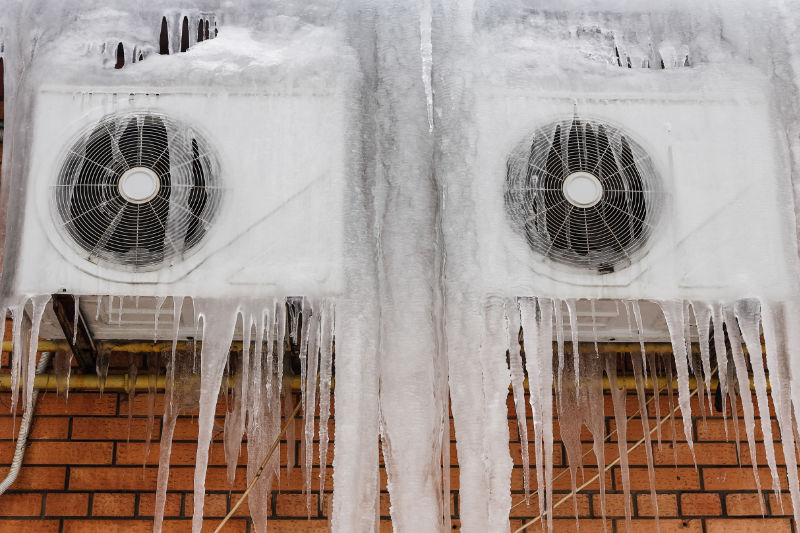
A frozen air conditioner is more than an inconvenience: it’s a warning sign that your cooling system isn’t working properly. When ice forms on the evaporator coils or refrigerant lines, your AC can’t absorb heat, which leads to warm air, higher energy bills, and potential long-term damage to the compressor. Many homeowners notice ice buildup and wonder: Why is my air conditioner freezing up, and what should I do next?
This guide breaks down the most common causes, early warning signs, DIY checks, and when to call an HVAC professional.
How Your AC Works — And Why Ice Forms
To understand why an AC unit freezes, it helps to understand how cooling happens. Your system uses a closed loop of refrigerant circulating through:
- Evaporator coils (indoor unit) — absorb warm air from the home
- Condenser coils (outdoor unit) — release heat outside
- Refrigerant lines — move refrigerant between coils
- Blower fan — pushes air across the coils for proper airflow
When the system is running properly, warm air passes over the evaporator coil and keeps it above freezing. If anything restricts proper airflow or reduces refrigerant levels, the coil temperature drops too low, and condensation turns into ice.
Common Reasons Your Air Conditioner Is Freezing Up
1. Restricted Airflow Across the Evaporator Coil
Poor airflow is the #1 cause of AC freezing. When warm air can’t reach the evaporator coil, the coil becomes too cold, allowing ice to form. Common airflow restrictions include:
Dirty or clogged air filters
Air filters should be changed every 1–3 months. Dirty filters block airflow and cause the coil to freeze.
Blocked or closed vents
Furniture, rugs, or closed supply/return vents reduce circulation and make the AC work harder.
Collapsed or leaking ductwork
Damaged ducts prevent warm air from reaching the coil.
Malfunctioning blower fan
If the fan slows down or stops, airflow drops dramatically, often causing a freeze-up within hours.
2. Dirty or Dust-Clogged Evaporator Coils
Even with good airflow, dust-covered evaporator coils cannot absorb heat properly. When heat transfer slows, the coil temperature drops, leading to ice buildup. Dirty coils also force the AC to run longer, increasing freeze-up risks.
Regular maintenance from an HVAC professional keeps both evaporator and condenser coils clean and working efficiently.
3. Low Refrigerant Levels or Refrigerant Leaks
Low refrigerant levels or refrigerant leaks change the pressure in your cooling system. When pressure drops too low, the evaporator coil becomes colder than 32°F, causing ice to form.
Signs of a refrigerant leak include:
- Hissing or bubbling sounds from refrigerant lines
- Ice forming on refrigerant lines or evaporator coils
- AC is running constantly, but blowing warm air
- Higher utility bills
Recharging refrigerant without fixing the leak won’t solve the problem. Only a licensed HVAC technician can legally diagnose and repair refrigerant issues.
4. Thermostat Problems or Overworking the System
Sometimes your AC freezes because it’s running the system too hard.
Common thermostat-related causes:
- The thermostat is set too low for long periods
- Faulty temperature sensor
- AC running when outdoor temperatures are below 60°F
When the outdoor temperature is too low, refrigerant pressure drops and ice forms quickly. If you notice freeze-ups on cool nights, avoid using the AC until temperatures rise.
5. Clogged Condensate Drain Line
Your AC removes humidity from the air. If the drain line is clogged, water backs up around the evaporator coil. Excess moisture paired with low temperatures leads to ice.
Look for water pooling around the indoor unit, which is a common sign that the drain system isn’t working.
6. Oversized or Improperly Installed AC System
An oversized air conditioner cools the home too quickly, preventing proper airflow and humidity removal. This causes the evaporator coil to become too cold, which increases the risk of freezing.
If your AC cycles on and off quickly, installation issues may be the cause.
Signs Your AC Is Freezing Up
Watch for these early warning signs:
- Ice on refrigerant lines, indoor coil, or outdoor unit
- AC is running, but only blowing warm air
- Reduced airflow from vents
- Water leaks after the unit thaws
- Hissing sounds (possible refrigerant leak)
- Increased energy usage or longer run times
Addressing these signs early can prevent costly repairs.
What to Do Right Now If Your AC Is Freezing
Before calling a professional, follow this simple checklist:
1. Turn off the AC immediately
Running the system while frozen can damage the compressor.
2. Turn the thermostat to “Fan Only”
This speeds up thawing without sending cold refrigerant through the lines.
3. Check the air filter
If dirty, replace it and allow the system to thaw completely.
4. Make sure all vents are open
Closed vents can cause pressure imbalances that freeze the coil.
5. Inspect the outdoor condenser
Ensure nothing is blocking airflow, such as tall grass or debris.
If the AC freezes again within 24–48 hours, a deeper issue needs to be diagnosed.
When to Call an HVAC Professional
Call an HVAC technician if you notice:
- Recurring freeze-ups after DIY steps
- Suspected refrigerant leaks
- Blower motor issues
- Ice forming on both the evaporator and refrigerant lines
- Water leaking around the indoor unit
- Reduced cooling even after the system thaws
A professional inspection includes checking refrigerant pressure, cleaning coils, testing the blower motor, and ensuring all parts of the HVAC system work together properly.
Keep Your AC Running Smoothly
If you’ve been wondering, “Why is my air conditioner freezing up?”, the answer usually comes down to airflow issues, dirty coils, low refrigerant, thermostat problems, or clogged drain lines. Some problems are easy fixes, like replacing air filters, while others require a trained HVAC professional.
Addressing freeze-ups quickly prevents long-term damage and keeps your cooling system efficient, reliable, and ready for summer.
FAQs
Why does my AC freeze at night?
Cool nighttime temperatures reduce refrigerant pressure, which can cause the evaporator coil to drop below freezing, especially if airflow is already restricted.
Can I run my AC after it freezes?
Not until it fully thaws. Running the system while frozen can damage the compressor.
How long does it take for a frozen AC to thaw?
Most units thaw within 2–8 hours. Running the fan-only mode speeds up the process.
Does low refrigerant cause AC freezing?
Yes. Low refrigerant levels lower pressure inside the evaporator coil, causing temperatures to fall below freezing.
How often should I replace my air filter?
Most homes need filter changes every 1–3 months, depending on filter type and usage.
Editor’s note: Our team of experts is always on the lookout to bring you the most up-to-date and comprehensive information about our industry. This post was originally published in August 2021 and has been updated to reflect current best practices.
Need HVAC Service?
Contact the experts at Midwest Heating & Cooling. Same-day availability and 24/7 support.
Call us at 414-209-4668!