

How Does an Air Conditioner Work? (Simple Guide for Midwest Homeowners)
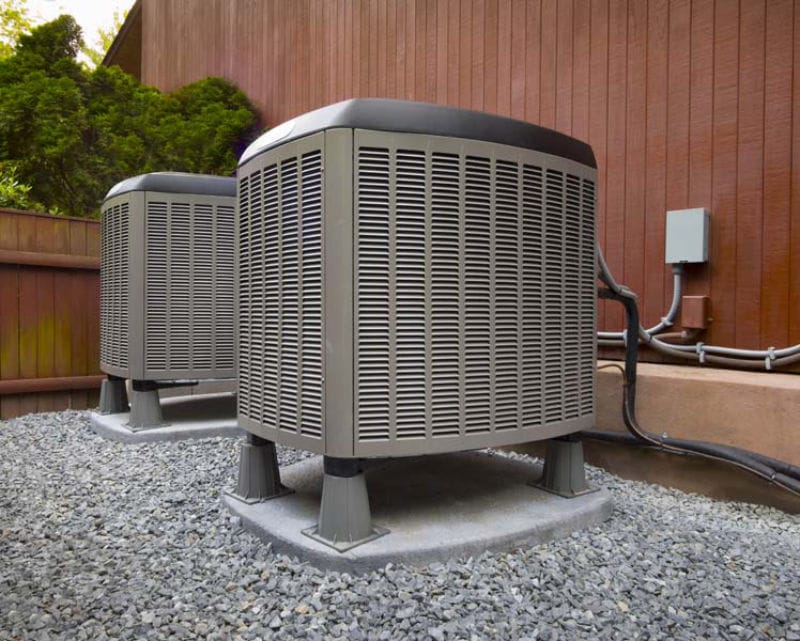
When the humidity settles over Wisconsin like a heavy blanket, your central air conditioner becomes the MVP of your home. But when something sounds wrong, or your energy bill jumps, it’s natural to wonder: how does an air conditioner work, anyway?
Here’s a friendly, down-to-earth walkthrough of what’s happening inside that big box outside and the equipment tied into your furnace inside.
What does my central air conditioner actually do?
Short answer: your air conditioning system doesn’t really “make cold.” Instead, it moves heat out of your indoor air and sends it outside. Think of it like a heat conveyor belt. You feel cold air because heat has been removed from it.
Most Midwest homes use a split system:
- An outdoor unit (the condenser) in your yard
- An indoor coil (evaporator coil) that sits on top of, or next to, your gas furnace
- Ductwork that carries air to and from the rooms in your home
In cooling mode, your furnace blower and AC work together: the fan blows air across the cold indoor coil to cool the air, then sends that air through your ducts and out your registers.
All modern air conditioners work on this same basic idea, whether it’s a large central air conditioner or a smaller ductless unit.
What are the main parts of an air conditioner?
A typical home AC uses a vapor-compression refrigeration cycle with four main components:
- Compressor (in the outdoor unit)
- Acts like the “heart” of the system
- Pulls in refrigerant gas from inside
- Raises the pressure and, at the same time, the pressure and temperature of that gas
- Condenser coil (outdoor coil)
- The hot, high-pressure refrigerant travels through the condenser coil
- A fan pulls outdoor air across the coil, carrying heat away from the refrigerant
- The refrigerant cools down and turns back into a high-pressure liquid
- Expansion valve (or metering device)
- The liquid refrigerant is forced through a small opening
- Its pressure suddenly drops, and so does its temperature
- Now it’s a cold liquid/vapor mix, ready to absorb heat indoors
- Evaporator coil (indoor coil)
- This coil sits inside, usually above your furnace
- Warm return air from your home passes over the evaporator coil
- The cold refrigerant inside the coil can absorb heating and moisture from that air
- The refrigerant boils back into a gas and heads outside to the compressor again
- Blower and ductwork
- The furnace blower fan blows that newly cooled air through your ducts
- You feel it as comfortable, cold air coming out of your vents
Round and round it goes, quietly shuttling heat out of your home until the thermostat says you’ve reached your set temperature.
Step-by-step: how does an air conditioner work in your Midwest home?
Here’s the full cooling cycle in plain language:
- Thermostat calls for cooling
You set your thermostat to “cool” and pick a temperature. When your home gets warmer than that setpoint, the thermostat tells your air conditioning system to turn on.
- Blower pulls in indoor air
The blower fan in your furnace pulls warm indoor air through your return vents and across your air filter. Cleaner air means better airflow and efficiency.
- Indoor coil cools and dehumidifies the air
That air passes over the cold indoor coil (evaporator coil). The cold refrigerant inside the coil (or, as it’s sometimes misspelled online, “cold refigerant”) absorbs heat and moisture from the air.
- Heat transfers into the refrigerant
- Moisture from the air condenses on the coil and drains away
- The blower then blows cold air back through your supply ducts into each room
- Refrigerant carries heat outside
Now warmed up, the refrigerant gas travels through copper lines to the outdoor unit.
- Compressor boosts pressure and temperature
In the outdoor unit, the compressor squeezes the refrigerant. This raises the pressure and temperature, making it much hotter than the outdoor air.
- Condenser coil dumps heat into outdoor air
The hot refrigerant flows through the condenser coil while the outdoor fan blows outside air across it. The heat moves from the refrigerant into the outdoor air, and the refrigerant turns back into a cooler, high-pressure liquid.
- Expansion valve makes the refrigerant cold again
The liquid refrigerant passes through the expansion valve, where its pressure suddenly drops. Lower pressure means lower temperature, so it becomes a cold liquid/vapor mix again.
- Cycle repeats until your home is comfortable
The cold refrigerant returns to the evaporator coil to pick up more heat, and the process continues until the thermostat is satisfied and shuts the system off.
How does my AC affect humidity, indoor air, and gas heat?
Because the evaporator coil is colder than your indoor air, moisture condenses on it and drains away. That’s why your AC can make the house feel less sticky on humid July days in Wisconsin.
A few more important points for Midwest homes:
- Your furnace and AC share the same blower and ductwork. In winter, the furnace creates gas heat; in summer, the blower just moves air across the cold coil.
- Good filtration and regular maintenance help keep indoor air cleaner and your system more efficient.
- If you’ve added ductless units or a heat pump, those conditioners work on the same basic refrigeration principle—they just deliver air a bit differently.
Does my air conditioner harm the ozone layer?
Older systems often used R-22 refrigerant, which is being phased out because it damages the ozone layer and contributes to climate change.
Today’s new central air conditioners use modern refrigerants that are designed not to deplete the ozone layer, and the EPA continues to approve non-ozone-depleting alternatives for home cooling.
If your system is older and still uses R-22, repairs can get pricey as supplies shrink. Many homeowners in the Mukwonago and greater Southeastern Wisconsin area choose to upgrade to a newer, more efficient system that uses an ozone-friendly refrigerant when major repairs come up.
When should I call Midwest Heating & Cooling?
Give your local pros a call if:
- Your system runs but can’t cool the air as it used to
- You hear unusual noises from the outdoor unit or furnace
- Your energy bills spike in summer with no change in usage
- You see ice on the indoor coil or condenser coil
- The system is more than 10–15 years old and needs frequent repairs
Midwest Heating & Cooling serves Mukwonago, Waukesha, Milwaukee, Racine, and surrounding communities with AC repair, replacement, and maintenance.
Ready for more reliable summer comfort?
Call 414-209-4668 or request service online to have your central air conditioner checked, cleaned, or upgraded before the next heat wave hits.
FAQ: How does an air conditioner work?
How does a split system air conditioner work in a house?
A split system has an outdoor unit with the compressor and condenser coil, and an indoor unit with the evaporator coil and blower. Refrigerant moves heat from your indoor air to the outdoor air, while the fan moves cooled air through your ducts.
Why is my outdoor unit hot while it’s cooling inside?
That’s a good sign. The outdoor unit’s job is to release heat. The compressor has already raised the pressure and temperature of the refrigerant gas, so the condenser coil can dump that heat into the outdoor air.
Should the refrigerant in my AC feel hot or cold?
Both! Inside the evaporator coil, it’s a cold refrigerant absorbing heat. Outside, after compression, it’s a hot refrigerant gas releasing heat. The system constantly changes the refrigerant’s pressure and state to move heat efficiently.
How does my air conditioner help control humidity?
As warm indoor air passes over the cold indoor coil, moisture condenses on the coil and drains away. That lets your system cool and dry the air at the same time, making summer air feel much more comfortable.
Is it worth replacing an older R-22 air conditioner?
If your AC still uses R-22, repairs can become expensive as that refrigerant is phased out to protect the ozone layer. Many homeowners choose to replace older systems with newer, more efficient models that use modern, non-ozone-depleting refrigerants.
Editor’s note: Our team of experts is always on the lookout to bring you the most up-to-date and comprehensive information about our industry. This post was originally published in January 2023 and has been updated to reflect current best practices.
Need HVAC Service?
Contact the experts at Midwest Heating & Cooling. Same-day availability and 24/7 support.
Call us at 414-209-4668!