

Dual-Clutch Transmission Problems: A Complete Guide for Drivers
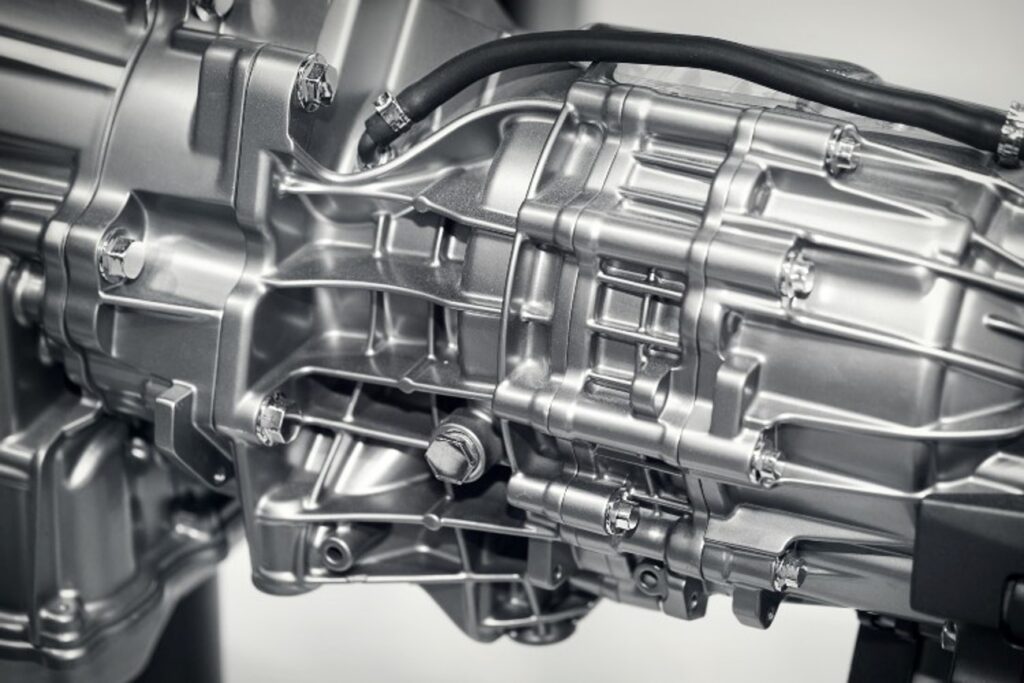
Dual-Clutch Transmission Problems: A Complete Guide for Drivers
Performance vehicles have changed a lot over the past two decades. One of the biggest shifts has been the rise of the dual-clutch transmission, which uses two separate clutches and gearboxes to deliver faster, smoother gear changes than traditional automatics. Below, we'll cover everything you need to know about DCTs, including how they work, what commonly goes wrong, how to protect your transmission, and when to call a professional.
What Is a Dual-Clutch Transmission?
A dual-clutch transmission is a type of gearbox that uses two separate clutches: one for odd-numbered gears (1st, 3rd, 5th) and one for even-numbered gears (2nd, 4th, 6th). Think of it as two manual transmissions housed in the same unit, working in tandem.
So, what's the advantage? While one gear is engaged, the next gear is already preselected on the other clutch. That means gear changes happen in milliseconds, with virtually no interruption in power delivery. The result is faster acceleration and a smoother driving experience compared to a traditional automatic.
DCTs come in two configurations: wet-clutch setups, which use dual-clutch transmission fluid to cool and lubricate clutch packs (common in high-torque applications), and dry-clutch setups, which are more common in smaller, lighter vehicles.
Why Do Dual-Clutch Transmissions Have Problems?
Complexity is the double-edged sword of DCT technology. The same sophisticated engineering that makes these transmissions so capable also creates more potential failure points. A DCT contains two clutch assemblies, two gearboxes, electrohydraulic actuators, and an onboard computer managing all of it in real time. If any one of these components degrades or malfunctions, the effects ripple through the entire system.
When comparing automatic transmission vs. dual-clutch designs, traditional automatics tend to be more forgiving. They rely on a torque converter rather than physical clutch packs, which reduces mechanical stress during everyday driving. DCTs, on the other hand, demand more precision from both the hardware and the driver.
Common Dual-Clutch Transmission Problems
While dual-clutch transmissions offer lightning-fast shifts and impressive efficiency, their complex blend of mechanical and electronic components makes them susceptible to unique issues. These include:
- Jerkiness and Hesitation at Low Speeds – At low speeds, particularly when pulling away from a stop, the transmission can feel jerky or hesitant as it struggles to balance clutch engagement. Early DCT models were especially susceptible to this behavior. The issue often comes down to the transmission's software failing to manage clutch engagement smoothly during slow, controlled movements.
- Clutch Wear – Because DCTs rely on physical clutch packs rather than a fluid-coupling torque converter, the clutches are subject to ongoing mechanical wear. Over time, worn clutches can lead to slippage, rough shifts, and a general loss of transmission responsiveness. In wet-clutch systems, clutch plates can deposit worn material directly into the dual-clutch transmission fluid, contaminating it and accelerating degradation. In dry-clutch systems, oil leaks from the input shaft can seep into the clutch housing, causing clutch shudder.
- Software and Electronic Malfunctions – DCTs depend heavily on the vehicle's onboard computer to time clutch engagement and gear selection. When that software develops faults, the transmission may shift at the wrong moment, fail to preselect the correct gear, or produce harsh, erratic shifts that feel mechanical in origin but are actually electronic.
- Unusual Noises and Vibrations – Some DCTs produce noticeable sounds or vibrations, particularly at lower speeds or during gear transitions. This isn't always a cause for alarm, as certain DCTs exhibit these behaviors as a normal characteristic of their design. However, if noises or vibrations worsen over time or appear suddenly, it's worth having the transmission inspected.
- Park/Neutral Switch Failures – Some vehicles with DCTs experience issues with the park/neutral switch, which is the component that communicates gear position to the powertrain control module. A faulty switch can prevent the vehicle from starting, even when correctly placed in park or neutral. It's a relatively minor component, but its failure can bring the whole car to a standstill.
Driving Habits That Can Damage a DCT
The transmission isn’t always to blame. How you drive plays a significant role in the health of your DCT. Avoid these habits:
- Overusing Manual Mode – Shifting at excessively high RPMs or downshifting without matching revs puts unnecessary stress on clutch components.
- Frequent Use of Hill Hold and Creep Functions – These features wear out clutch packs faster than standard driving, particularly in heavy traffic.
- Overdoing Launch Control – Repeated hard launches can cause shock loads that damage the gearbox over time.
- Cold Aggressive Driving – DCTs need time to reach their optimal operating temperature. Pushing the transmission hard before it's warmed up accelerates wear on clutch plates and bearings.
Warning Signs of Dual-Clutch Transmission Problems
Catch problems early, and you’ll almost always spend less money fixing them. Here are some of the warning signs of dual-clutch transmission problems:
- Shuddering or vibration during gear changes
- Hesitation when pulling away from a stop
- Slipping or delayed engagement between gears
- Unusual grinding or clunking sounds
- Warning lights related to the transmission or powertrain
- Difficulty starting the vehicle
How to Prevent DCT Problems
Preventing DCT problems is straightforward, even if a DCT sounds complex. Here’s how to prevent problems:
- Change the Fluid on Schedule – Always use the manufacturer-recommended dual-clutch transmission fluid. Aftermarket alternatives may not meet the precise specifications the system requires.
- Drive Smoothly at Low Speeds – Avoid riding the accelerator in stop-and-go traffic. Smooth, deliberate inputs are kinder to the clutch packs.
- Warm Up Before Pushing Hard – Give the transmission fluid a few minutes to circulate before demanding maximum performance.
- Use Manual Mode With Care – Reserve it for situations where you have the skill and context to use it correctly.
Repair Costs and Maintenance Considerations of DCT Transmissions
Dual-clutch automatic transmission repairs tend to cost more than comparable work on a conventional automatic. The added complexity of two clutch assemblies, two gearboxes, and electrohydraulic components means more labor time and more specialized equipment. Certain repairs also require manufacturer-specific tools that not every shop carries.
Routine maintenance, particularly fluid changes, is the most cost-effective way to keep repair bills manageable. Skipping scheduled service on a wet-clutch DCT, for example, can lead to fluid contamination, overheating, and eventually a full transmission rebuild.
Are Dual-Clutch Transmissions Reliable?
The answer depends on the vehicle and how it's maintained. DCTs gained wide adoption in the early 2000s on the strength of their performance credentials, though early versions were more prone to low-speed jerkiness and software issues. Newer generations have improved substantially.
Reliability also varies by application. High-performance dual-clutch transmission cars that see track use or repeated aggressive launches will experience more wear than a daily commuter with the same setup. Matched with regular maintenance and sensible driving habits, a modern DCT can deliver a long service life.
When to Seek Professional Help
Not every DCT quirk is an emergency. Some low-speed hesitation and minor vibration can be normal, particularly in older or dry-clutch designs. However, there are situations where professional diagnosis should happen without delay:
- Slipping, shuddering, or grinding that progressively worsens
- Transmission warning lights that stay on
- Failure to engage gears or start the vehicle
- Sudden changes in shift quality or driving feel
Stay Ahead of DCT Issues. Visit Us Today.
DCT problems don’t resolve on their own, and waiting typically turns a manageable repair into a costly one. If your vehicle is showing any of the warning signs covered in this guide, or if you're due for a fluid change, our team in Fort Lauderdale, FL is ready to help. Contact Gold Coast Transmissions today to schedule a diagnostic appointment and keep your transmission performing the way it should.
Need HVAC Service?
Contact the experts at Midwest Heating & Cooling. Same-day availability and 24/7 support.
Call us at 414-209-4668!