

Transmission Rebuild vs. Transmission Replacement
Transmission Rebuild vs. Replace: What Should You Do?
Your transmission is one of the hardest-working components in your vehicle. So when it starts to fail, the stakes are high, and the repair decision isn't always straightforward.
Two main options are on the table: a transmission rebuild or a full transmission replacement. Both can restore your vehicle's performance, but they differ significantly in cost, process, and long-term outcome. Let's explore everything you need to know about transmission rebuilds and replacements so you can make a confident, informed decision.
What Does a Transmission Rebuild?
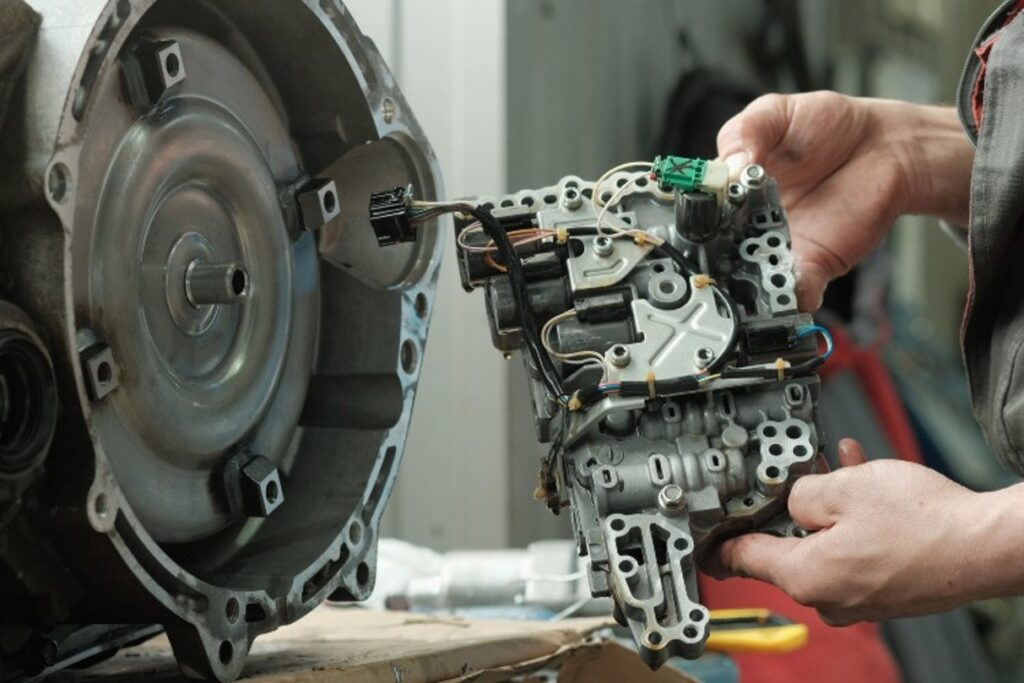
A transmission rebuild involves completely disassembling your existing transmission, inspecting every internal component, and replacing only the parts that are worn or damaged. Healthy components are cleaned and reinstalled. The rebuilt unit is then reinstalled in your vehicle.
During the process, our transmission rebuilders replace components such as clutch packs, seals, gaskets, and bands. Some shops use a transmission rebuild kit, which bundles the most commonly replaced parts into a single package for efficiency and consistency.
What Is a Transmission Replacement?
Transmission replacement means removing the failing unit from your vehicle entirely and installing a different one. That replacement unit can be:
- Brand New (OEM) – We can replace your transmission with a factory-fresh one matched to your vehicle's exact year and model.
- Remanufactured – If a brand-new transmission is unavailable, we can professionally restore your unit and rebuild it to factory standards.
- Used – This option involves using a secondhand transmission sourced from another vehicle.
Key Differences Between a Transmission Rebuild and Replacement
While both processes aim to restore the function of a faulty transmission, there are key differences between a rebuild and a replacement. These include:
- Cost – A transmission rebuild is generally more cost-effective than a replacement since it involves repairing rather than replacing parts. However, this depends on the extent of the damage and the availability of spare parts.
- Time – A rebuild takes longer to complete as it involves disassembling and inspecting individual components before reassembling them. On the other hand, a replacement can be completed relatively quickly since it only requires swapping out the old unit with a new one.
- Quality – Rebuilt transmissions may not have all-new parts like replacements do. However, our shops use high-quality parts and ensure that the rebuilt transmission performs as well as a new one. On the other hand, replacement transmissions may have lower-quality components, especially if they’re from a generic manufacturer.
Pros and Cons of Transmission Rebuilds
Rebuilding a transmission offers several distinct advantages, primarily in terms of cost-effectiveness and compatibility. Because only the damaged components are replaced while reusing the existing housing, material costs are significantly lower than buying a brand-new unit. Additionally, since the original transmission is reinstalled, there's zero risk of compatibility or fitment issues with your vehicle's engine and drivetrain. When performed correctly by a skilled technician, a rebuilt transmission can perform just like new, especially with regular ongoing maintenance.
However, there are notable drawbacks to consider before opting for a rebuild. The quality of the repair depends heavily on the expertise of the shop, as not all mechanics have the specialized skills required, which can lead to recurring issues if corners are cut. It’s also a labor-intensive process, resulting in a longer turnaround time compared to a quick swap. Finally, rebuilding isn't always an option. If the damage is too extensive or the transmission casing itself is cracked, a complete replacement will be necessary.
Pros and Cons of Transmission Replacement
A new or remanufactured replacement transmission eliminates the risk of hidden damage from aging components and offers high reliability. Swapping in a pre-built unit is also quicker than a full rebuild. Additionally, new and remanufactured units often come with manufacturer warranties.
However, a brand new OEM unit is the most expensive option by a wide margin, with even remanufactured units typically costing more than a rebuild. Used transmissions carry no guarantee of condition and often come with little to no warranty, meaning you may be trading one problem for another. An improperly matched unit can also cause fitment issues and affect other vehicle systems.
Cost Comparison: How Much to Replace a Transmission vs. a Rebuild?
Cost is often the deciding factor between a transmission replacement and a rebuild, and the gap between the two options can be significant. Here's how they compare:
- Transmission Rebuild Cost – Rebuilds typically range from $1,500 to $3,500, depending on the vehicle make, model, and the extent of the damage.
- Transmission Replacement Cost (Remanufactured) – Remanufactured replacements usually fall between $2,500 and $4,500.
- Transmission Replacement Cost (New OEM) – New OEMs can exceed $5,000 to $8,000 or more, particularly for luxury or performance vehicles.
When to Choose a Transmission Rebuild vs. Replacement
Choosing a transmission rebuild is ideal if the damage is moderate, such as worn seals, clutch packs, or bands, rather than a catastrophic internal failure. It's a cost-effective option for a vehicle that's otherwise in good condition, provided the transmission case remains structurally intact. This route makes the most sense if you have access to a reputable shop with certified, in-house transmission rebuilders who can guarantee quality work.
On the other hand, a transmission replacement is the better choice when the damage is severe, such as a cracked housing, catastrophic gear failure, or a history of failed repairs. If your vehicle has high mileage but you plan to keep driving it for years, a fully reconditioned or new unit offers unmatched reliability and peace of mind. Additionally, replacement is often the faster route if you need to get your vehicle back on the road quickly.
Tips for Making the Right Choice
Deciding whether to rebuild or replace your transmission is a major decision. To help you make the right choice for your vehicle and your wallet, keep these key factors in mind:
- Get a Professional Diagnosis First – Don't assume you need either a rebuild or replacement before a qualified technician inspects the unit. Some issues, such as a fluid leak or a faulty solenoid, are far less expensive to fix.
- Factor in Your Vehicle's Overall Value – Spending $4,000 to replace transmission components on a vehicle worth $5,000 may not make financial sense. Weigh the repair cost against the car's current market value.
- Consider the Unit Source Carefully if Replacing – A new OEM unit offers the best compatibility and reliability, while a remanufactured unit is a strong middle ground. A used unit from an unknown source carries real risk.
Need Help Deciding? Let Gold Coast Transmissions Inspect Your Vehicle Today
When deciding between rebuilding and replacing your transmission, it comes down to the specifics of your situation. A transmission rebuild tends to be the smarter, more cost-effective choice when the damage is repairable, and the shop is qualified. In contrast, a full transmission replacement makes more sense when the existing unit is beyond saving or when long-term reliability is the top priority.
Whatever route you take, the most important step is finding a transmission specialist in Fort Lauderdale, FL you can trust. Contact Gold Coast Transmissions today to learn more about our services and to schedule an inspection for your vehicle’s transmission.
Need HVAC Service?
Contact the experts at Midwest Heating & Cooling. Same-day availability and 24/7 support.
Call us at 414-209-4668!