

What Should Indoor Humidity Be? A Guide for Your Home’s Comfort All Year Long
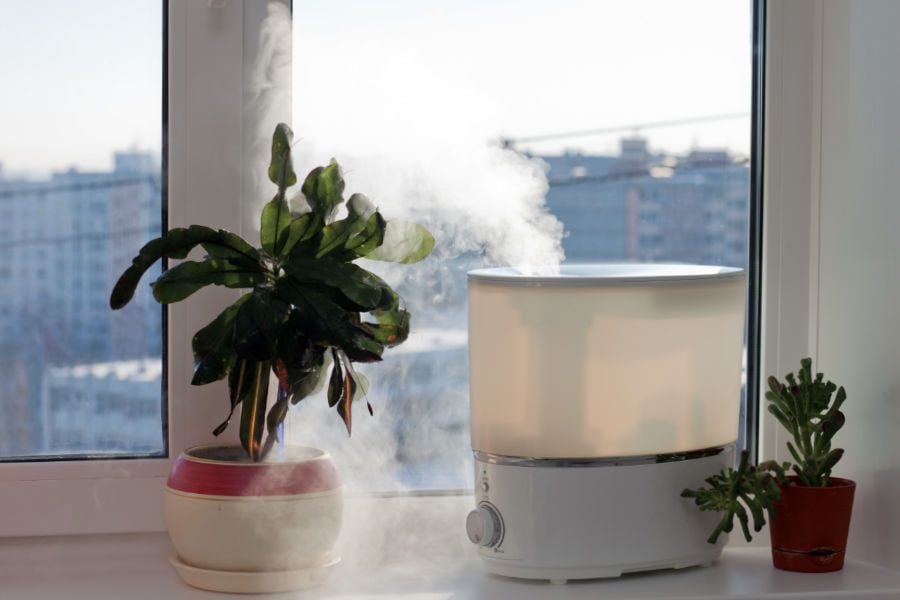
When the furnace is cranking in February, and static shocks become a daily surprise, or when a July heatwave turns your home into a muggy mess, humidity plays a bigger role in comfort than most folks realize. So, what should indoor humidity be, and why does it matter, especially in Southeastern Wisconsin?
At Midwest Heating & Cooling, we know your home’s comfort depends on more than just temperature. Managing your indoor humidity levels helps protect your health, your home, and your peace of mind, no matter the season.
So, What Should Indoor Humidity Be?
The ideal indoor humidity level falls between 30% and 50%. But that number should shift a bit depending on the time of year:
-
Winter: 30% to 40%
Lower humidity helps avoid condensation on windows, but going too low causes dry air, static electricity, and even damage to wood floors or furniture.
-
Summer: 40% to 50%
Higher humidity levels in your home can feel stifling and sticky. Staying under 50% helps remove excess moisture, control mold, and support cooling the air efficiently.
-
Spring and Fall: 35% to 45%
These transitional months in Wisconsin can swing either way, so it’s smart to adjust as needed.
With Wisconsin’s wildly shifting seasons, from freezing cold to sticky summers, monitoring indoor humidity levels is essential. A simple digital hygrometer or a smart thermostat with humidity tracking can help you keep tabs year-round.
Why Indoor Humidity Matters
Humidity isn’t just about comfort. It affects your health and your home’s longevity.
- Comfort: Proper humidity helps prevent dry skin, sore throats, and that unpleasant clammy feeling in summer.
- Health: Balanced levels reduce dust mites, mold, and airborne allergens, which boost your indoor air quality.
- Home Protection: Ideal humidity helps avoid warped wood, peeling paint, and overworked HVAC systems.
Controlling indoor humidity supports both your well-being and your wallet.
Common Signs Humidity Levels Are Off
Not sure if your humidity is off balance? Here are a few telltale signs.
When Humidity Is Too Low (Common in Wisconsin Winters)
- Dry or itchy skin
- Frequent static electricity
- Cracked hardwood or paint
- Scratchy throats and irritated sinuses
When It’s Too High (Summertime Woes)
- Foggy windows
- Musty smells or visible mold
- Sticky indoor air
- Difficulty cooling the house
Homes in the Greater Milwaukee area often experience both extremes. That’s why seasonal humidity control isn’t a luxury. It’s a necessity.
How to Maintain Ideal Humidity Levels Year-Round
Winter: Managing Dry Air
Cold weather pulls moisture from the air, leaving your home painfully dry. Here’s how to add moisture to the air without overdoing it:
- Install a whole-home humidifier: These integrate with your furnace to distribute moisture evenly.
- Use rugs, curtains, and houseplants: They naturally help retain humidity.
- Maintain your furnace: A tuned-up system ensures balanced airflow without overdrying.
- Upgrade to a smart thermostat: Modern models help regulate indoor air quality and humidity.
Summer: Controlling Excess Moisture
When high humidity levels turn your home into a sauna, take action:
- Install a whole-home dehumidifier or upgrade your air conditioning system with humidity controls.
- Ventilate bathrooms and kitchens with exhaust fans.
- Seal air leaks around doors and windows to keep moisture out.
- Schedule A/C tune-ups: A healthy system removes moisture from the air while cooling the air.
Local Tip: Midwest Heating & Cooling offers custom indoor air quality solutions for homeowners in Mukwonago, Waukesha, and across Southeast Wisconsin. We’re your neighbor and your partner in year-round comfort.
When to Call a Professional
DIY tips are great, but if your humidity problems keep coming back, it’s time to call in the pros.
- Portable humidifiers or dehumidifiers can help, but whole-home systems are safer, quieter, and far more effective.
- If your air always feels stale, sticky, or dry despite your efforts, your HVAC system might not be balanced correctly.
- Local experience matters. At Midwest Heating & Cooling, we understand the unique weather quirks in this part of Wisconsin. We’ll help you get it right.
Need help? We’ll assess your indoor humidity and recommend the best solution for your home.
Improve Your Home’s Indoor Air Quality
So, what should indoor humidity be? In Wisconsin, that answer shifts with the seasons, but keeping it between 30% and 50% can help you stay comfortable, healthy, and energy-efficient all year long.
Don’t let dry air or sticky summers get in your way. Take control of your comfort with trusted guidance from the team at Midwest Heating & Cooling.
Ready to breathe easier? Explore our full range of Indoor Air Quality Services and schedule your personalized humidity assessment today.
FAQ: What Homeowners Want to Know About Indoor Humidity
What should indoor humidity be in winter?
Indoor humidity in winter should be between 30% and 40% to prevent dry air and condensation issues.
What should indoor humidity be in summer?
In summer, ideal indoor humidity is 40% to 50% to prevent mold, mildew, and discomfort.
Why is maintaining indoor humidity important?
It protects your health, prevents home damage, and improves comfort and HVAC efficiency.
How can I measure indoor humidity?
Use a digital hygrometer or a smart thermostat with built-in humidity tracking.
What causes indoor humidity to be too high?
Poor ventilation, leaky ductwork, or an oversized A/C system can lead to high humidity levels.
How can I lower indoor humidity in summer?
Use a dehumidifier, run A/C efficiently, and ventilate humid areas like bathrooms and kitchens.
Can my HVAC system manage indoor humidity?
Yes. When properly equipped with humidifiers or dehumidifiers, your HVAC can help maintain ideal indoor humidity.
Who can help with indoor humidity problems in Wisconsin?
Midwest Heating & Cooling offers professional humidity control solutions for homes in the Greater Milwaukee area.
Need HVAC Service?
Contact the experts at Midwest Heating & Cooling. Same-day availability and 24/7 support.
Call us at 414-209-4668!