

Can I Install a Heat Pump in My Wisconsin Home?
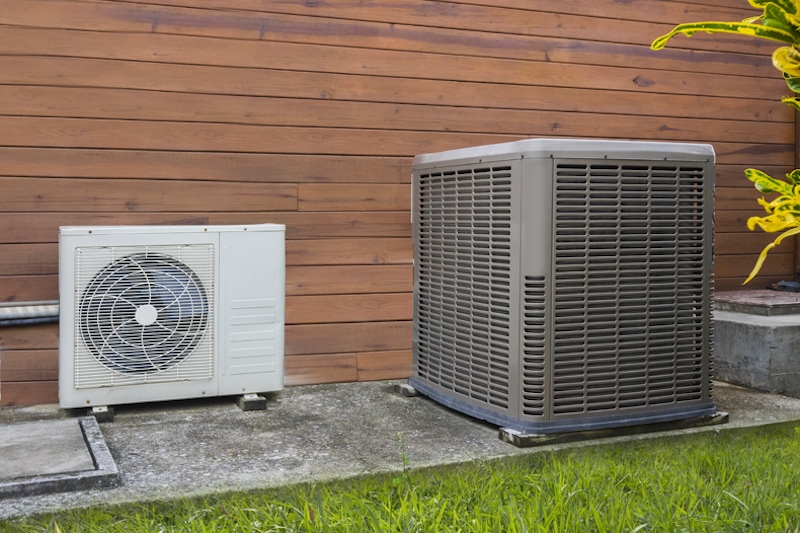
If you’re a Southeastern Wisconsin homeowner wondering whether you can install a heat pump in Wisconsin, you are not alone. With our long, cold winters and rising energy costs, more neighbors are asking whether a heat pump is a smart investment. The good news is, yes, you absolutely can. There are just a few Wisconsin-specific details that are helpful to understand.
A heat pump works differently from traditional heating systems. Instead of burning fuel to generate heat like many gas furnaces, it transfers heat from one place to another. In winter, it pulls heat from the outdoor air and moves it inside. In summer, it works like an air conditioning system by removing heat from your home. That means one system provides both heating and cooling while staying energy efficient and lowering your carbon footprint.
What Is a Heat Pump and How Does It Work?
Unlike traditional gas furnaces that burn natural gas to generate heat, heat pump systems move existing heat. Even during cold climate conditions, there is still heat energy in the outdoor air. Air source heat pumps capture that energy and transfer heat indoors.
There are a few common types that homeowners in Wisconsin should know about:
- Air source heat pumps, which pull heat from outdoor air
- Cold climate models designed specifically for Wisconsin winters
- Geothermal heat pumps, which use stable ground temperatures for even greater efficiency
Modern cold climate systems are designed to perform well even when temperatures drop below freezing. Technology improvements in compressors and refrigerants have made today’s heat pump efficiencies much stronger than older models.
Will a Heat Pump Work During Wisconsin Winters?
This is the question most homeowners ask first.
Yes, a properly sized heat pump installed in a Wisconsin home can handle winter conditions. Many systems operate efficiently when temperatures are well below freezing. However, because Wisconsin winters can be extreme, some homeowners choose a dual fuel system.
A dual fuel system pairs a heat pump with a traditional gas furnace. The heat pump handles the majority of the heating season. When temperatures reach extreme lows, the system automatically switches to natural gas for added warmth. This setup gives you efficiency for most of the year with dependable backup when needed.
For many Southeastern Wisconsin homes, this approach offers the best balance of comfort and cost savings.
Benefits of Installing a Heat Pump in Wisconsin
Year-Round Heating and Cooling
A heat pump functions as both your heating system and your air conditioning system. Instead of maintaining separate air conditioners and furnaces, one system handles both seasons.
Energy Efficient Performance
Because heat pumps transfer heat instead of generating it, they often deliver two to four units of heat for every unit of electricity used. That efficiency can lower monthly energy bills compared to older systems.
Lower Carbon Footprint
Heat pumps run on electricity and do not burn fossil fuels inside your home. For homeowners looking to reduce environmental impact, this can be a meaningful step.
Comfortable, Even Heating
Many heat pump systems use variable speed technology. This allows them to run steadily instead of cycling on and off frequently. The result is more consistent indoor temperatures throughout your home.
What Should You Consider Before Installing a Heat Pump?
Insulation and Air Sealing
An energy-efficient system performs best in a well-insulated home. If your Wisconsin home has air leaks or outdated insulation, upgrading those areas can improve overall performance.
Proper System Sizing
Correct sizing is critical. A system that is too small may struggle in deep winter. A system that is too large may short cycle and lose efficiency. A professional load calculation ensures your heat pump is matched to your home.
Existing Gas Furnace
If you currently have a natural gas furnace in good condition, you may be able to integrate it into a dual-fuel system. This allows you to transition gradually instead of replacing everything at once.
How Much Does a Heat Pump Cost in Wisconsin?
Costs vary based on several factors:
- Type of system, such as air source or geothermal
- Home size and layout
- Ductwork modifications
- Efficiency rating of the equipment
While upfront costs can be higher than replacing a standard furnace or air conditioner alone, many homeowners see long-term savings through improved efficiency. Federal tax credits and available rebates can also help offset installation costs.
The best way to understand pricing is through an in-home consultation where a professional can evaluate your specific setup.
Is a Heat Pump Right for Your Wisconsin Home?
If you want lower energy bills, modern heating and cooling in one system, and a reduced carbon footprint, a heat pump in Wisconsin is absolutely worth considering.
If you are concerned about extreme cold, a dual fuel system provides extra peace of mind. If your home is well-insulated and you are ready for an energy-efficient upgrade, a heat pump could be a great fit.
Every home is different, which is why a personalized assessment makes all the difference.
Ready to Explore Your Options?
If you are thinking about installing a heat pump in your Wisconsin home, the next step is simple. Schedule a consultation with a trusted local HVAC professional who understands Southeastern Wisconsin winters, gas furnaces, and heat pump systems. A quick evaluation can help you understand comfort, savings, and long-term performance.
Frequently Asked Questions About Heat Pumps in Wisconsin
Can a heat pump really handle Wisconsin winters?
Yes. Modern cold-climate air source heat pumps are designed to operate efficiently even when temperatures drop well below freezing. Some homeowners choose a dual fuel system for added backup during extreme cold.
How is a heat pump different from traditional air conditioners and furnaces?
A furnace generates heat by burning fuel. A heat pump transfers heat using electricity. In summer, it works like an air conditioning system by removing heat from your home.
Will I need to remove my natural gas furnace?
Not necessarily. Many homeowners keep their furnace as part of a dual-fuel system. This allows the heat pump to handle most heating while the furnace supports during the coldest days.
Are heat pumps energy efficient?
Yes. Heat pump efficiencies are often significantly higher than older heating systems because they move heat instead of creating it.
Editor’s note: Our team of experts is always on the lookout to bring you the most up-to-date and comprehensive information about our industry. This post was originally published in October 2023 and has been updated to reflect current best practices.
Need HVAC Service?
Contact the experts at Midwest Heating & Cooling. Same-day availability and 24/7 support.
Call us at 414-209-4668!