

What Is an AC Tune-Up? A Homeowner’s Guide to Saving Money, Energy, and Stress
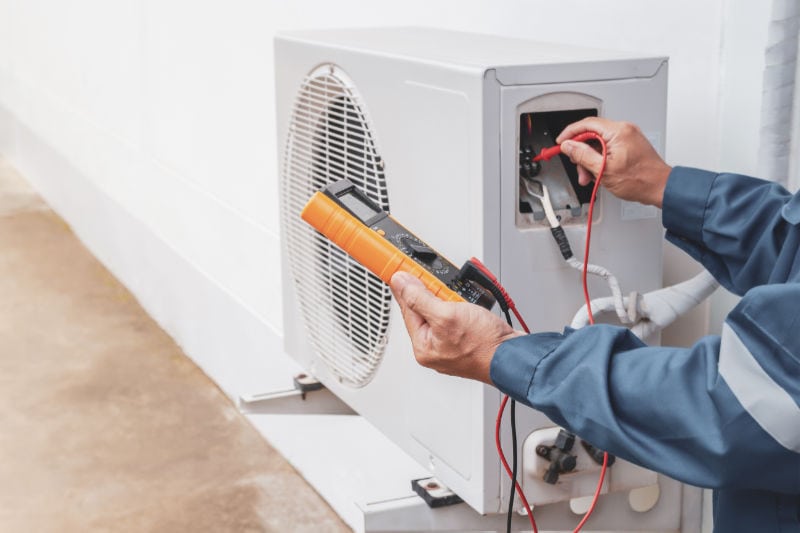
Keeping cool during hot summer months shouldn’t be a gamble. If you’ve ever wondered what an AC tune-up is, it’s a professional HVAC maintenance visit that inspects, cleans, tests, and adjusts your air conditioner so it runs safely and efficiently before peak heat. A proper HVAC tune reduces surprise breakdowns, improves indoor air quality, and can save money on utilities by optimizing energy efficiency.
Below, you’ll find exactly what’s included, when to schedule, how long it takes, what it costs, and why your system, central AC, mini split, or heat pump, benefits from regular maintenance.
What does an AC tune-up include? (The pro checklist)
A thorough technician will complete a structured checklist. Here’s what we do during maintenance visits in New Berlin, Mukwonago, and Milwaukee:
- Thermostat & control checks – Confirm accurate readings and safe cycling.
- Electrical connections – Tighten, test voltage/amperage, and examine relays and capacitors for heat wear.
- Lubricate moving parts – Reduce friction on blower and condenser fan motors to lower energy use and extend life.
- Inspect and clean the condensate drain – Clear clogs to prevent water leaks, musty odors, and microbial growth.
- Coil care – Clean evaporator and condenser coils to restore heat transfer and efficiency.
- Check refrigerant levels – Verify charge, inspect lines, and address leaks to protect the compressor.
- Airflow & air filters – Measure static pressure, inspect duct returns, and replace/upgrade air filters for better indoor air quality.
- Safety & performance tests – Confirm start/stop controls, temperature split, and overall system energy efficiency.
- Mini split specifics – Clean wall cassette intakes, check drain routing, and test inverter operation for quiet, efficient cooling.
- Report & recommendations – You get a simple summary: what we did, what’s good, and anything to monitor.
Bottom line: a tune-up is more than a “quick look.” It’s a preventive service that finds small issues before they become budget-wreckers.
When should I schedule an AC tune-up?
- The best time is early spring before the first heat wave, or early summer if you missed spring.
- Once per year is standard for cooling systems; heat pumps typically benefit from twice-yearly maintenance (spring + fall) since they both cool and heat.
- If you just moved into a home or your system sat idle for a season, schedule now, don’t wait for the first 90° day.
How long does it take?
Most residential visits take 60–90 minutes for central AC and ~45–75 minutes per indoor unit on mini splits, depending on access and coil condition. If heavy coil cleaning or repairs are needed, we’ll let you know and provide options before any extra work.
How much does an AC tune-up cost in the Milwaukee area?
Pricing varies by system size, accessibility, and filter/part upgrades. Ask about our Maintenance Membership for discounted visits, priority service during heat waves, and reminders that respect your schedule. Memberships often save money versus paying for emergency repairs later.
Why a professional tune-up beats a DIY glance
A homeowner can change air filters, rinse a condenser gently, and keep shrubs two feet from the unit. But only a professional HVAC technician can legally handle refrigerant, measure electrical load safely, test energy efficiency, and spot early-stage failures (like a weakening capacitor) that cause no-cool calls on the hottest afternoon.
The payoff: energy, comfort, and fewer headaches
- Lower energy bills: Clean coils + correct charge + lubrication = less power used.
- Fewer breakdowns: Electrical tightening and early part replacement prevent peak-season failures.
- Cleaner air: Filter upgrades and drain cleaning improve indoor air quality and reduce musty odors.
- Longer system life: Reduced strain extends compressor and motor lifespan.
- Warranty compliance: Many manufacturers require proof of regular maintenance.
AC tune-ups for different systems
- Focus on condenser coil cleaning, electrical connections, and refrigerant levels.
- Consider a high-MERV or media filter for fewer dust recirculation issues.
- Extra attention to cassette filters, blower wheels, and drain lines.
- Inverter boards and sensors get diagnostic checks for quiet, efficient modulation.
Heat Pumps (heating and cooling systems)
- Similar to central AC plus cold-weather defrost logic and reversing-valve operation.
- Biannual tune-ups help maintain year-round efficiency.
Signs you should schedule a professional now
- Rising bills with no thermostat changes
- Rooms that feel unevenly cool
- AC runs longer than usual or short-cycles
- Musty smells or visible moisture near the air handler
- Ice on refrigerant lines or the outdoor unit
- The system is 8+ years old and hasn’t had recent maintenance
Simple homeowner checklist between visits
- Change air filters every 1–3 months (or as recommended).
- Keep two feet of clearance around the outdoor unit.
- Hose grass clippings and cottonwood fluff off the condenser fins (gentle spray).
- Check the thermostat schedule to cut overnight and workday runtime.
- If you notice water around the indoor unit, turn the system off and schedule a professional; the condensate drain may be clogged.
Ready for a smooth, efficient summer?
Let’s knock out your tune-up before the next heat wave. We offer guaranteed appointment windows and transparent recommendations, no pushy upsells. If you’re in New Berlin, Mukwonago, Muskego, Wales, or the Greater Milwaukee area, our local team is ready to help.
Call 414-209-4668 or schedule online to book your AC tune-up today.
FAQs: What homeowners ask about AC tune-ups
How often should I get an AC tune-up?
Once a year for cooling-only systems; twice a year for heat pumps (spring + fall).
What’s the difference between a tune-up and a repair?
A tune-up is preventive maintenance to keep your HVAC system efficient and reliable. A repair fixes a specific failure (e.g., bad capacitor, refrigerant leak).
Will a tune-up make my home cooler?
It won’t increase your system’s maximum capacity, but it restores efficiency and airflow, which helps rooms cool more evenly and quickly.
Can a tune-up improve indoor air quality?
Yes. Air filters, coil cleaning, and inspect and clean the condensate drain steps reduce dust, dander, and moisture issues that can cause odors.
Do mini splits need tune-ups, too?
Absolutely. Mini split filters and blower wheels collect fine dust; cleaning keeps them quiet and efficient, especially in bedrooms and offices.
Editor’s Note: Our team of experts is always on the lookout to bring you the most up-to-date and comprehensive information about our industry. This post was originally published in April 2023 and has been updated on November 24, 2025 to reflect current best practices.
Need HVAC Service?
Contact the experts at Midwest Heating & Cooling. Same-day availability and 24/7 support.
Call us at 414-209-4668!