

Why Is My Furnace Leaking Water?
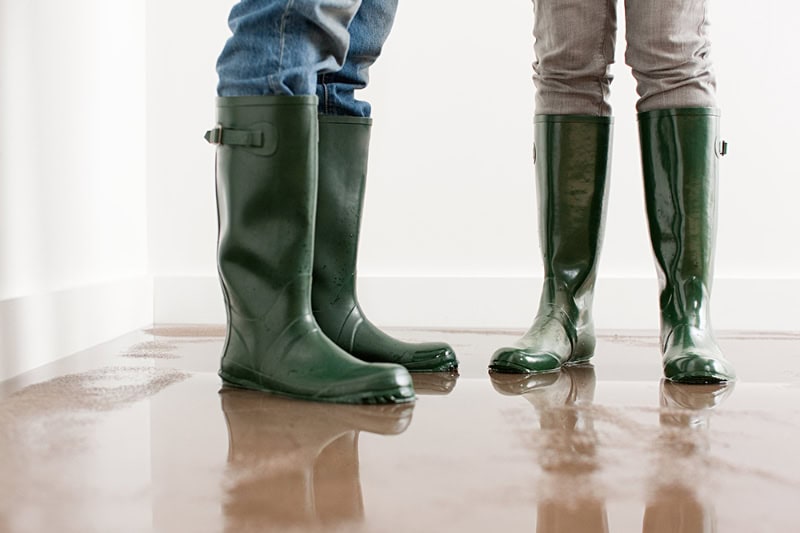
Noticing water on the floor near your furnace can be unsettling, especially in winter. The good news is that many furnace water leaks are caused by drainage issues that are very fixable. The key is acting quickly so a small puddle does not turn into water damage, mold risk, or a larger HVAC repair.
This guide explains why a furnace is leaking, what you can safely check, and when it is time to call an HVAC professional.
First: Is your “furnace leak” actually from the furnace?
Before assuming the furnace itself is the problem, it is important to confirm where the water is actually coming from. Many homeowners are surprised to learn that what looks like a furnace leak can originate from another part of the HVAC system or even nearby plumbing.
Start by checking the ceiling, pipes, or ductwork above the furnace. A small plumbing drip can travel along surfaces and collect at the base of the unit, making it appear as though the furnace is leaking. Look closely for water trails or damp insulation that point to a source higher up.
Next, consider connected HVAC components. In many homes, the furnace shares drainage systems with the air conditioner, evaporator coil, humidifier, or condensate pump. A clogged drain line, cracked drain pan, or overflowing pump can release water that settles near the furnace, even if the furnace itself is operating normally.
This is where smart AC sensors play an important role. As part of a modern leak detection system, smart AC sensors are placed near furnaces, air conditioners, drain pans, and condensate lines to detect moisture early. These sensors can alert homeowners to the presence of water before visible pooling occurs, helping prevent water damage and making it easier to identify whether the leak is coming from the furnace or another HVAC component.
If you notice water suddenly and it appears to be spreading, take immediate steps to protect your home. Turn the system off, contain the water if possible, and review any alerts from your smart AC sensors. Early detection combined with professional diagnosis can prevent minor moisture issues from turning into costly repairs.
What to do right now if you notice water on the floor
- Turn the thermostat to OFF to stop the system.
- Shut off power to the furnace at the switch or breaker if needed.
- Soak up standing water to reduce slip risk and prevent flooring damage.
- If you see active dripping, place a shallow pan or towels to contain it.
- If water is near electrical wiring or controls, do not touch inside the unit. Call a professional.
These steps do not fix the root cause, but they help prevent excess water from turning into water damage.
How to identify your furnace type (this matters)
Most furnace leaking water calls are related to condensation, and the cause depends heavily on furnace efficiency.
High efficiency furnaces (90 percent AFUE or higher)
These are also called condensing furnaces. They intentionally create condensation as they extract more heat from exhaust gases. That water should flow through a condensate drain line or into a condensate pump, then exit through a floor drain or drain connection.
A common visual clue is white plastic exhaust piping.
Standard efficiency furnaces (under 90 percent AFUE)
These furnaces typically vent through metal exhaust piping and should not produce much water. If a standard furnace is leaking water, it often points to venting issues, humidifier leaks, or a shared drain problem with the air conditioner.
The most common reasons a furnace is leaking water
1. Clogged condensate drain line
This is the most common cause. High-efficiency furnaces rely on a small drain line to remove condensation. Over time, this line can clog with sludge, debris, or mineral buildup.
You may notice water pooling at the base of the furnace, dripping near the drain connection, or leaks that worsen during long heating cycles.
When the drain line backs up, water has nowhere to go and spills into the furnace cabinet or onto the floor.
2. Condensate pump failure
If your furnace cannot drain by gravity, it uses a condensate pump to move water to a drain. When that pump fails, water collects and overflows.
Signs include a full pump reservoir, unusual humming or clicking sounds, or water appearing only after the furnace has been running for a while.
Pump failures are usually straightforward repairs, but must be handled correctly to prevent repeat leaks.
3. Disconnected, cracked, or sagging drain tubing
Drain tubing can loosen, crack, or develop low spots that trap water. This slows drainage and causes overflow.
You can safely look for visible cracks, loose connections, or tubing that does not slope toward the drain. If anything appears brittle or misaligned, professional replacement is recommended.
4. Condensate trap blockage
Many high-efficiency furnaces use a condensate trap to allow proper drainage while preventing exhaust gases from escaping through the drain.
When the trap becomes clogged, water backs up into the furnace. This repair typically requires a technician because incorrect reassembly can cause leaks or venting problems.
5. Venting or exhaust piping issues
High-efficiency furnaces rely on properly pitched exhaust piping so condensation drains back correctly. If the piping is installed incorrectly, water can collect and drip where it should not.
For standard efficiency furnaces, water near the unit can indicate venting problems that should be addressed promptly for safety reasons.
6. Whole-house humidifier leaks
If your home has a humidifier mounted on or near the furnace, it may be the true source of the leak.
Common causes include cracked water supply lines, stuck solenoid valves, or clogged humidifier drains. These leaks often appear identical to furnace leaks.
7. Shared air conditioner drain problems
Even in cooler weather, the evaporator coil and drain pan can contribute to water issues. If the AC drain line is clogged or the pan is damaged, water can overflow and appear near the furnace.
This is especially common in systems where the air conditioner and furnace share drain routing.
8. Secondary heat exchanger problems
In rare cases, issues with the secondary heat exchanger in a high-efficiency furnace can contribute to abnormal water behavior or performance concerns.
This is not a do-it-yourself situation. A professional inspection is required to confirm the cause and ensure the system is operating safely.
Can I fix a furnace that is leaking water myself?
You can safely perform a few basic checks:
- Confirm whether you have a condensate pump and whether it is full
- Look for obvious drain line disconnections outside the furnace cabinet
- Check nearby sources, such as the humidifier or AC drain
Avoid opening sealed furnace panels or attempting internal repairs. Water combined with electrical components creates safety risks, and incorrect reassembly can cause additional damage.
If excess water continues, scheduling furnace repair is usually the safest and most cost-effective option.
When to call an HVAC professional
Call for service if:
- The leak returns after drying the area
- You see water inside the furnace cabinet
- The condensate pump is overflowing or not operating
- You suspect exhaust or venting problems
- You are concerned about electrical safety or water damage
A trained technician can identify the cause quickly, restore proper drainage, and ensure safe operation.
Need help with a furnace water leak in Wisconsin?
If your furnace is leaking water, the team at Midwest Heating and Cooling can identify the issue and fix it before it becomes a larger repair.
Call 414-209-4668 or schedule service online to get an experienced HVAC professional to your home.
FAQ: Furnace leaking water
Why is my furnace leaking water only sometimes?
Intermittent leaks often occur during longer heating cycles. A partially clogged condensate drain line, a failing condensate pump, or a backed-up trap may only overflow under heavier use.
Is a leaking furnace an emergency?
It can be. Even small leaks can lead to water damage or mold if ignored. If water is near electrical components, shut the system off and call a professional.
Can a high-efficiency furnace produce water normally?
Yes. High-efficiency furnaces create condensation by design. That water should drain safely through a condensate line or pump. Leaks usually indicate a blockage or mechanical issue.
Why would a standard efficiency furnace leak water?
Standard furnaces typically should not produce condensation. Water may be coming from a humidifier leak, a shared AC drain issue, or a venting problem.
What is the difference between a drain pan and a condensate drain line?
A drain pan sits beneath the evaporator coil and catches water. The condensate drain line carries that water to a floor drain or pump. If either fails, water can overflow.
Will a clogged condensate drain line damage my furnace?
Yes, it can. Backed-up water may trigger safety shutoffs, cause corrosion, or damage internal controls. Early repair is usually far less expensive.
Editor’s note: Our team of experts is always on the lookout to bring you the most up-to-date and comprehensive information about our industry. This post was originally published in February 2025 and has been updated to reflect current best practices.
Need HVAC Service?
Contact the experts at Midwest Heating & Cooling. Same-day availability and 24/7 support.
Call us at 414-209-4668!