

How to Know if Your Torque Converter Is Failing
How to Know if Your Torque Converter Is Failing
Your automatic transmission relies on dozens of moving parts working in sync, but few are as critical as the torque converter. This fluid-filled coupling sits between the engine and transmission, transferring power and enabling smooth gear changes. When it starts to fail, the effects ripple through your entire drivetrain.
Many signs of a bad torque converter closely mimic general transmission problems, making it easy to misdiagnose the issue. Knowing what to look for and acting quickly can be the difference between a manageable repair and a full transmission rebuild. Here's everything you need to know, from common causes and symptoms to diagnosis, repair options, and prevention.
What Is a Torque Converter and How Does It Work?
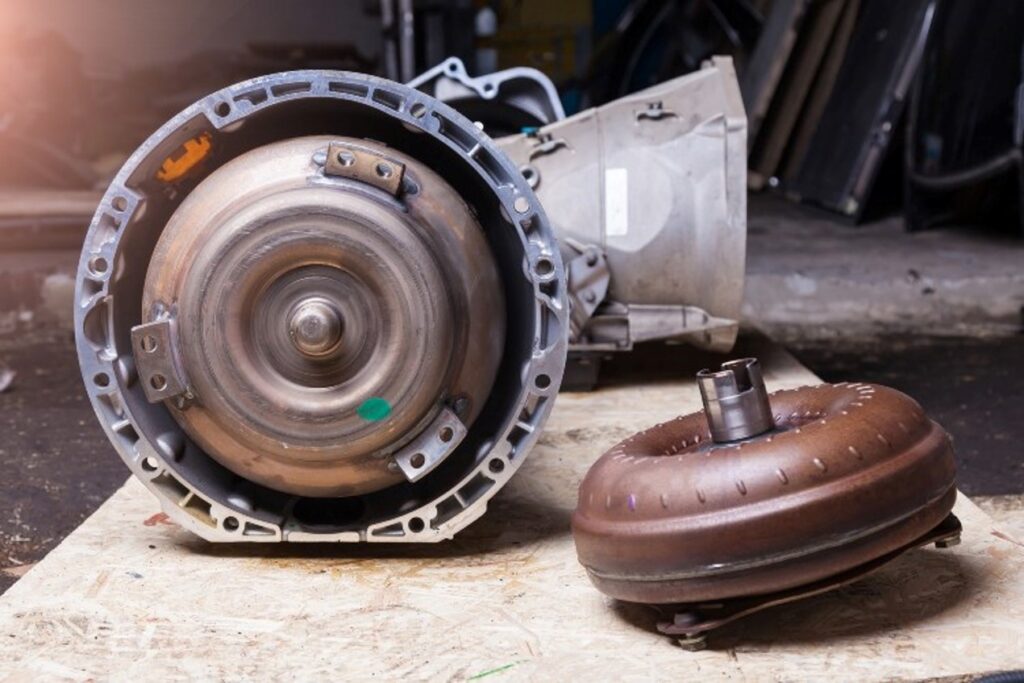
A torque converter is a type of fluid coupling used in vehicles with automatic transmissions. It sits between the engine's flexplate and the transmission input shaft, using hydraulic fluid to transfer rotational power from the engine to the transmission.
At low speeds, the torque converter allows the engine to spin independently of the transmission, essentially acting as a slip clutch. At higher speeds, a lockup clutch inside the converter engages, mechanically linking the engine and transmission to improve efficiency and reduce heat.
This combination of fluid coupling and mechanical lockup is what makes automatic transmissions feel so smooth. When something disrupts that balance, you feel it immediately.
Why Torque Converters Fail
Understanding the root cause of torque converter failure helps with both diagnosis and prevention. The most common culprits include:
- High Mileage – Internal components wear down over time, especially under repeated thermal stress.
- Overheating – Towing heavy loads, driving in stop-and-go traffic, or a failing cooling system can overheat the transmission fluid, damaging seals and internal components.
- Contaminated Transmission Fluid – Dirty or degraded fluid introduces metal particles and debris that grind down the converter's moving parts.
- Worn Needle Bearings – These small bearings enable smooth rotation inside the converter. When they fail, they cause noise, vibration, and eventual converter failure.
- Damaged Clutch Lining – The internal clutch that handles lockup engagement can wear out, leading to slippage and shuddering.
- Faulty Torque Converter Solenoid –This component regulates fluid flow to the lockup clutch. A malfunctioning solenoid causes erratic engagement and disengagement.
Common Signs of a Failing Torque Converter
When a torque converter begins to fail, the warning signs are usually hard to ignore. These are the symptoms of a bad torque converter that most drivers notice first:
- Shuddering at Low or Highway Speeds – One of the most telling signs of a bad torque converter is a shuddering or vibrating sensation. This typically occurs between 30–50 mph and is caused by the lockup clutch engaging and disengaging erratically.
- Slipping or Delayed Gear Changes – A worn torque converter struggles to transfer power efficiently. The result is a hesitation or slip when the transmission shifts, which is especially noticeable under heavy acceleration or on inclines.
- Transmission Overheating – Failing seals inside the torque converter can cause fluid to leak internally, dropping hydraulic pressure. Low pressure forces the transmission to work harder, generating excess heat.
- Unusual Noises – Clicking, grinding, or whining sounds while in gear often point to damaged needle bearings or worn internal components inside the converter.
- Loss of Acceleration or Power – If the vehicle feels sluggish or the engine revs climb without a matching increase in speed, the converter may not be transferring power effectively to the transmission.
- Rough Idle or Vibration at a Stop – Shaking or vibration while stopped in gear can indicate inconsistent power delivery caused by a faulty torque converter.
- Transmission Warning Light – Modern vehicles store diagnostic trouble codes (DTCs) related to torque converter performance. A check engine or transmission warning light warrants an immediate scan.
How to Diagnose a Faulty Torque Converter
Diagnosing a faulty torque converter isn’t always straightforward, as symptoms can overlap with other transmission issues. For this reason, a thorough diagnosis typically involves a combination of the following methods:
- Visual Inspection – Look for transmission fluid leaks around the bell housing or underneath the vehicle. Bright red fluid is a clear indicator of a transmission leak.
- Fluid Check – Dark, burnt-smelling, or debris-filled fluid signals internal damage, likely involving the torque converter's moving parts.
- Stall Speed Test – This test measures the RPM at which the engine stalls against resistance. A stall speed significantly below manufacturer specifications can indicate a failing torque converter.
- Pressure Gauge Test – A transmission pressure gauge can reveal deviations from expected hydraulic pressure, pointing to internal converter or transmission issues.
- Listen During a Test Drive – Have a mechanic take the vehicle through various speed ranges to isolate shuddering, noise, or slippage to specific conditions.
Can You Drive with a Bad Torque Converter?
Technically, yes, but it's strongly inadvisable. A failing torque converter doesn't just stay at its current level of damage. Continued driving accelerates wear on internal transmission components, including gears, clutches, and bearings. Metal debris from the deteriorating converter contaminates the transmission fluid, spreading damage throughout the entire system.
The timeline for failure is unpredictable. A converter that shudders occasionally today could leave you stranded tomorrow. The risks and the repair costs compound the longer you wait.
How to Fix Torque Converter Problems
When it comes to addressing transmission issues, there's no one-size-fits-all solution. Your torque converter repair options will depend heavily on the severity of the damage and how quickly the problem was diagnosed:
- Fluid Flush – If the problem is early-stage and caused by contaminated fluid, a complete transmission fluid flush may restore normal function and buy time.
- Solenoid Replacement – A faulty torque converter solenoid is a relatively accessible repair that can resolve engagement and disengagement issues without replacing the entire unit.
- Torque Converter Replacement – When internal components are damaged, a torque converter replacement is typically the most reliable fix. This involves removing the transmission to access the converter, which is labor-intensive.
How to Prevent Torque Converter Failure
Preventing torque converter failure largely comes down to staying on top of consistent, routine maintenance. These small habits can go a long way in extending the life of your converter and avoiding costly repairs down the road:
- Change Transmission Fluid Regularly – Follow your manufacturer's recommended interval. Fresh fluid effectively lubricates and cools the converter, reducing wear.
- Avoid Overloading the Transmission – If you tow frequently, ensure your vehicle is rated for the load and consider an auxiliary transmission cooler.
- Address Overheating Promptly – If your transmission runs hot, investigate the cause immediately, whether it's a failing cooler, low fluid, or a clogged line.
- Don’t Ignore Early Symptoms – A shudder that appears once will reappear more frequently. Early intervention is always cheaper than late-stage repair.
When Should You Get Your Transmission Checked?
Don’t wait for symptoms to worsen. Schedule a professional inspection if you notice any of the following:
- Shuddering or vibration at highway speeds
- Delayed engagement when shifting into drive or reverse
- Slipping gears or sluggish acceleration
- Transmission overheating or burnt fluid smell
- Unusual noises from the transmission area
- A check engine or transmission warning light
Stop Torque Converter Trouble Before It Starts
More often than not, a failing torque converter starts with a subtle shudder or a slightly delayed shift, which is easy to dismiss but important to address. Left unchecked, those minor symptoms escalate into major transmission damage.
If you recognize any of the signs of a bad torque converter in Fort Lauderdale, FL described above, get a professional opinion as soon as possible. Early torque converter repair is far less disruptive and far less expensive than a full transmission overhaul. Contact Gold Coast Transmissions today to schedule an appointment.
Need HVAC Service?
Contact the experts at Midwest Heating & Cooling. Same-day availability and 24/7 support.
Call us at 414-209-4668!