

What Is a Ductless Mini Split? A Neighborly Guide for Southeastern Wisconsin Homeowners
If you have been researching heating and cooling options, you may have asked yourself: What is a ductless mini split, and how is it different from a traditional HVAC system?
In simple terms, a ductless mini split system is a heating and cooling solution that works without ductwork. Instead of pushing air through a network of ducts, it delivers heated or cooled air directly into specific rooms. That direct delivery is what makes it efficient, flexible, and increasingly popular in homes across Southeastern Wisconsin.
Let’s walk through how these systems work, why homeowners choose them, and whether one might be right for your home.
What Is a Ductless Mini Split System?
A ductless mini split system is a type of HVAC system made up of two main components:
- An outdoor unit that contains the outdoor compressor and condenser
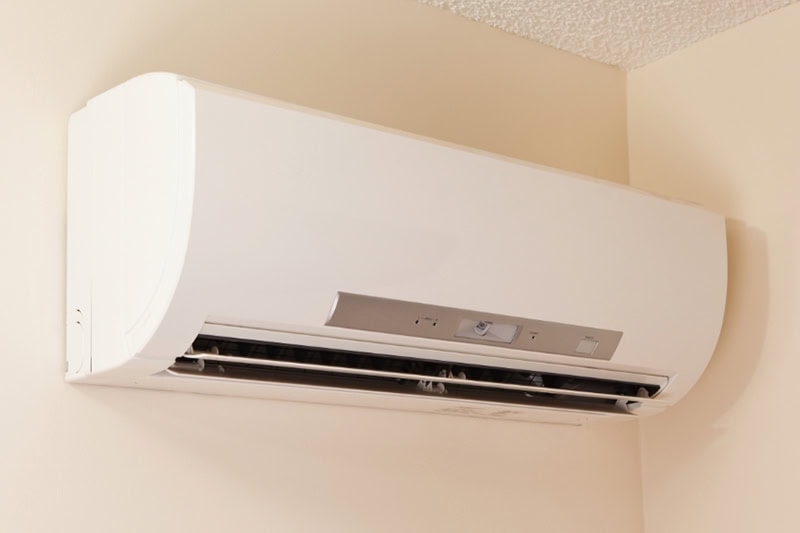
- One or more indoor units that distribute air directly into your living space
These components are connected by refrigerant lines and electrical wiring through a small opening in the wall.
The word ductless simply means that no ductwork is required. The term mini split refers to the system being split between an outdoor unit and one or more indoor air handlers.
Unlike traditional ducted systems, there is no need to install ductwork throughout your attic, basement, or walls. That makes these systems especially appealing in an older home or in houses without existing central air conditioning.
How Does a Ductless Mini Split Work?
A ductless mini split air conditioner operates using the same basic principles as other HVAC systems.
Here is how the system works:
- The outdoor unit compresses refrigerant and sends it indoors.
- The indoor unit absorbs heat from the room when cooling or releases heat into the room when heating.
- A built-in fan distributes the conditioned air directly into the space.
When operating as a heat pump, the system can both cool your home in summer and heat it in winter. It simply reverses the refrigerant flow depending on the season.
Because the air is delivered straight into the room instead of traveling through ducts, there is less energy loss and more direct comfort.
Most systems also include a remote control or smart thermostat functionality, allowing you to adjust temperature settings easily from across the room or even from your phone.
Why Homeowners Choose Ductless Systems
No Need to Install Ductwork
For many Southeastern Wisconsin homes, especially older properties, installing ductwork can be costly and disruptive. Walls may need to be opened, ceilings modified, and attic or basement space reworked.
A ductless mini split system avoids that process. Installation typically requires only a small wall opening for the connection lines. That makes it a practical solution for:
- Older homes without central air
- Home additions
- Finished basements
- Attics converted into living space
- Garages and workshops
Zoned Comfort With Single Zone or Multi Zone Options
One of the biggest benefits of zone mini splits is temperature control by area.
A single-zone system connects one indoor unit to one outdoor unit. This works well for a bedroom, office, or sunroom.
A multi-zone system connects multiple indoor units to a single outdoor compressor. Each indoor unit can be controlled independently. That means family members can set temperatures based on their own comfort preferences.
If you have ever experienced one room that feels too hot while another feels too cold, zoning can make a noticeable difference.
Energy Savings and Improved Energy Efficiency
Traditional ducted systems can lose conditioned air through leaks and poorly insulated ducts. When air travels through long duct runs, some of that heating or cooling power is lost before it reaches the room.
Because ductless systems deliver air directly into the space, they reduce that energy waste.
Many ductless mini split systems also use inverter-driven compressors. These compressors adjust their speed based on demand rather than constantly turning on and off. This allows the system to maintain steady temperatures while using less electricity.
The result is often improved energy efficiency and potential energy savings on monthly utility bills.
For Wisconsin homeowners dealing with both humid summers and cold winters, efficient heating and cooling can make a meaningful impact on annual energy costs.
Ductless Systems vs Traditional Ducted Systems
Both ductless and ducted systems are designed to heat and cool your home, but they do so in different ways.
Ducted HVAC systems rely on a central air conditioning system or furnace connected to ductwork that distributes air throughout the home.
Ductless systems deliver air directly into each room through mounted indoor units.
Ducted systems may be a good fit if your home already has properly sealed ductwork. However, if ducts are aging, leaking, or nonexistent, a ductless mini split system can be a practical alternative.
Some homeowners choose a hybrid approach, using ductless systems in specific areas where the main system does not perform well.
Indoor Air and Comfort Benefits
Indoor air quality matters, especially during long Wisconsin winters when windows stay closed for months.
Because ductless systems do not rely on ductwork, they avoid circulating dust and debris that may accumulate inside older ducts. Indoor units typically include washable filters that help capture dust and allergens.
While they are not a replacement for a dedicated air purification system, ductless mini-splits can support cleaner indoor air compared to aging ducted systems.
Are Ductless Mini Splits Difficult to Install?
Compared to installing new ductwork, the installation process for a ductless mini split system is relatively straightforward.
Indoor units are mounted on walls or ceilings. The outdoor unit sits on a pad or bracket outside the home. Refrigerant lines connect the two through a small wall opening.
Because the installation is less invasive, many homeowners appreciate the quicker turnaround time and reduced disruption.
Professional installation is important to ensure proper sizing, refrigerant charging, and system performance. Correct sizing ensures your home is properly heated or cooled without wasting energy.
Is a Ductless Mini Split Right for Your Home?
A ductless mini split system may be a good fit if:
- You live in an older home without existing ductwork
- You want zoned temperature control
- You are adding new living space
- You want to improve energy efficiency
- Certain rooms are difficult to heat or cool
These systems provide flexibility that traditional HVAC systems sometimes cannot match.
For Southeastern Wisconsin homeowners, that flexibility can mean staying comfortable through hot summers and cold winters without overworking a central system.
Ready to Improve Your Home Comfort?
If you are considering a ductless mini split air conditioner or heat pump, the best next step is a professional evaluation of your home. Proper sizing, placement, and system design make all the difference in long-term performance and energy savings.
A qualified HVAC professional, like our team at Midwest Heating and Cooling, can assess your layout, insulation, and comfort goals to determine whether a single-zone or multi-zone system makes the most sense. Contact us today!
Frequently Asked Questions
What is a ductless mini split?
A ductless mini split is a heating and cooling system that operates without ductwork. It uses an outdoor unit and one or more indoor units to deliver heated or cooled air directly into specific rooms.
Is a ductless mini split more efficient than traditional HVAC systems?
In many cases, yes. Because there is no ductwork, there is less energy loss. Many systems also use variable-speed compressors that improve overall energy efficiency.
Can a ductless mini split heat my home in winter?
Yes. Most ductless systems function as heat pumps. They can provide both heating and cooling by reversing refrigerant flow depending on the season.
What is the difference between single-zone and multi-zone systems?
A single-zone system controls one indoor unit. A multi-zone system connects multiple indoor units to one outdoor compressor, allowing independent temperature control in different rooms.
Are ductless systems good for older homes?
Yes. They are often ideal for older homes without ductwork because they do not require major structural modifications.
Need HVAC Service?
Contact the experts at Midwest Heating & Cooling. Same-day availability and 24/7 support.
Call us at 414-209-4668!